
More Than A Calendar
The path to pregnancy often begins long before a positive test. Successful conception depends on timing, hormone balance, reproductive anatomy, and overall health working in coordination. Greater awareness of the menstrual cycle allows couples to better understand fertile windows and ovulation patterns. Informed preparation transforms uncertainty into clarity and direction.
Cycle 101
The menstrual cycle reflects a predictable hormonal rhythm that supports ovulation and potential implantation. A typical cycle lasts 21-35 days, measured from the first day of the period to the day before the next period. In a typical 28 day cycle, ovulation usually occurs about 14 days before the next expected period, though timing can vary between individuals. During ovulation, rising estrogen thickens the uterine lining, while luteinizing hormone (LH) triggers egg release from the ovary. After ovulation, progesterone prepares the uterus for implantation.
Identifying the fertile window
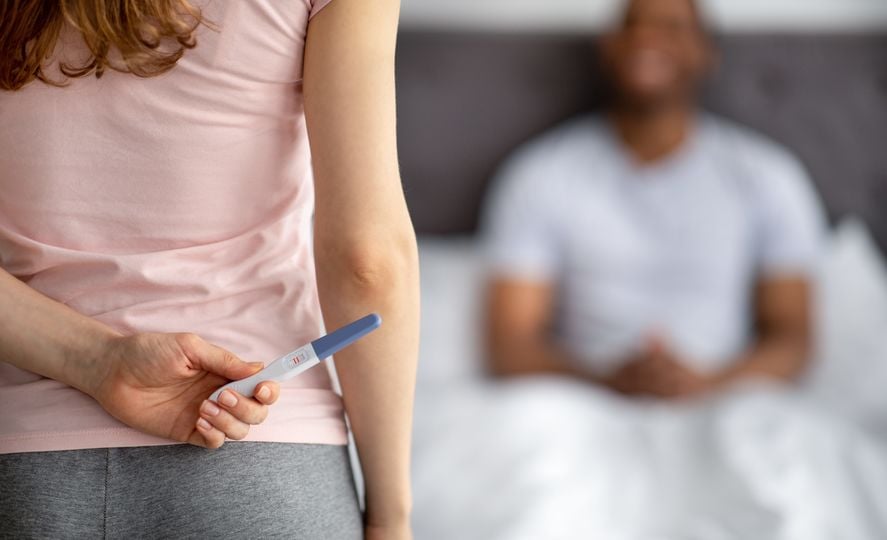
Pregnancy is most likely during the 5 days before ovulation and on the day of ovulation. Sperm can survive up to 5 days, while an egg remains viable for about 12 to 24 hours. Ovulation predictor kits detect the LH surge and help pinpoint the peak fertility window. This approach can be particularly helpful for women with irregular or longer cycles. As a woman approaches ovulation, cervical mucus becomes clearer and more stretchy. Tracking basal body temperature (BBT) can confirm ovulation after the process has occurred. A pregnancy test can typically be taken about 2 weeks after conception, although some tests may be able to detect rising human chorionic gonadotropin (hCG) levels a few days earlier.
Optimizing overall health
Reproductive function is influenced by sleep quality, nutrition, exercise, and stress levels. Balanced meals rich in protein, fiber, iron, and healthy fats support hormonal regulation. Moderate physical activity, such as swimming, biking, or running, helps improve circulation and metabolic health without overtaxing the body. Limiting alcohol, avoiding tobacco, and reviewing medications with a clinician may reduce barriers to conception. A prenatal vitamin containing 400mcg of folic acid supports early fetal development before pregnancy recognition.
When to seek evaluation
Most couples conceive within 12 months of regular, unprotected intercourse. Evaluation is recommended after 12 months for individuals under 35 and after 6 months for women 35 or older. Testing may include hormone panels, semen analysis (SA), ultrasound imaging, and ovulation assessment to identify the reason for fertility difficulties. Conditions such as polycystic ovary syndrome (PCOS) or thyroid disorders can interfere with ovulation. Early assessment allows targeted treatment and informed decision-making. In some cases, assisted reproductive technology (ART) may be recommended to help with conception.
Turning knowledge into possibility
When trying to conceive, an understanding of the female cycle is essential. Knowing when a woman is most likely to be fertile, optimal days for conception, and how best to support health during the process can increase the chances of a successful pregnancy. When challenges arise, medical guidance can help. Thoughtful preparation during the fertility journey transforms hope into practical action, bringing conception within clearer reach.