
Better IVF Outcomes With Freezing And Screening
In vitro fertilization (IVF) has made a substantial difference in the lives of numerous couples hoping to conceive despite a diagnosis of infertility. The addition of new techniques can help further improve pregnancy rates and reduce the risk of genetic disorders. Embryo freezing allows healthy embryos to be stored for future use. Preimplantation genetic testing (PGT) screens embryos for chromosomal or inherited conditions before transfer. Together, these options provide a powerful strategy for couples seeking the best possible outcome.
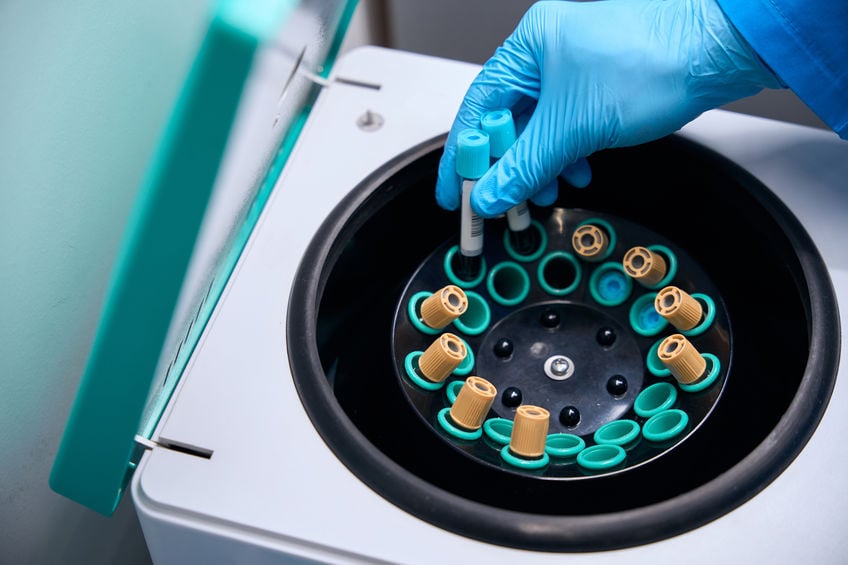
Benefits of cryopreservation
Freezing technology preserves embryos at the current stage of development, preventing aging and deterioration. Women planning pregnancy later in life, when fertility may naturally be lower, can freeze eggs early on to increase the chances of success. The egg freezing process offers the opportunity for multiple IVF attempts from a single egg retrieval cycle, which can reduce the need for repeated stimulation and procedures. Cryopreservation also allows for delayed transfer to optimize the uterine environment and improve implantation chances. Stored embryos can be used in the event of a failed cycle or for future family building. The method is safe, extensively researched, and widely used in fertility care, with high survival rates after thawing.
Role of genetic screening
Once a patient has embryos available for use, PGT can be used to examine embryos for chromosomal abnormalities or specific genetic disorders. Preimplantation genetic testing for aneuploidy (PGT-A) evaluates the embryo’s chromosomes, screening for extra or missing chromosome material. Preimplantation testing for monogenic disorders (PGT-M) detects single-gene disorders for families at risk of passing on inherited conditions. Screening helps select embryos most likely to result in a healthy pregnancy while avoiding those with serious genetic issues. The test is performed on a small sample without harming the embryo.
Freezing plus screening
Combining embryo freezing with genetic screening maximizes the chances of success. Using this approach, retrieved eggs are combined with sperm and then cultured to the blastocyst stage in the lab. Next, the embryo is biopsied for testing and then frozen until genetic results are available. This sequence avoids the pressure of immediate transfer and ensures only healthy embryos are chosen. The combination reduces the chance of failed implantation, early miscarriage, and genetic disorders. Using the freeze and screen method, many couples achieve pregnancy sooner and with fewer IVF cycles.
Considering next steps
The choice to use embryo freezing and genetic screening depends on medical history, age, and reproductive goals. Both procedures require specialized expertise and laboratory capabilities, so selecting a clinic with experience in advanced reproductive technologies (ART) is essential. Understanding the benefits, limitations, and potential impact on future family planning can help guide a patient’s decisions. With proper counseling, embryo freezing and genetic screening can provide greater confidence and control during the IVF process.