
Donor Eggs Can Overcome Primary Ovarian Insufficiency
For so many people, pregnancy is a lifelong goal. Sometimes the aim is to start a family, while in other cases couples want to have more children. Regardless of reason, infertility can become a wrench in those plans. In some cases, the underlying problem is infertility while other women might struggle with secondary infertility. In either scenario, women and couples will need to undergo testing to determine the specific issue. If a problem exists with a woman’s eggs, donor eggs might be required which might make in vitro fertilization (IVF) the most viable conception option. One specific issue that might exist is primary ovarian insufficiency.
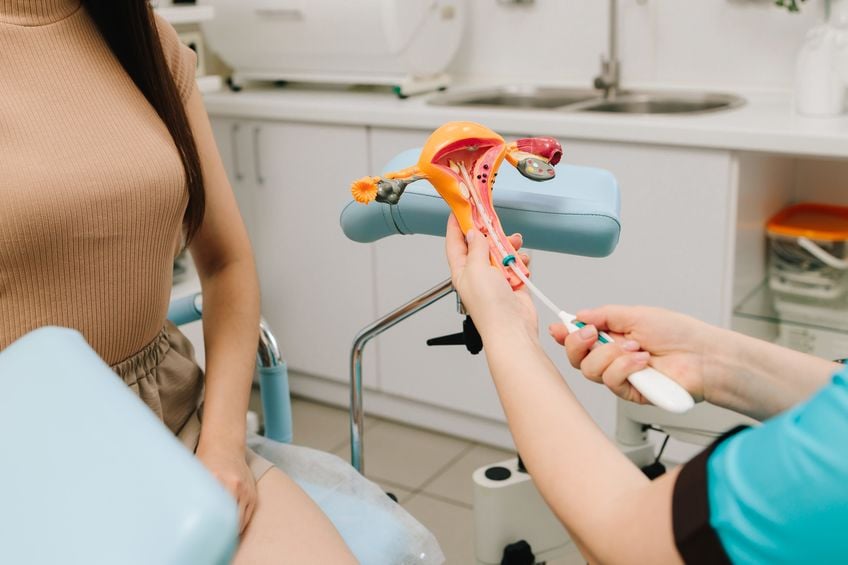
What is primary ovarian insufficiency?
Although a variety of reasons can cause a woman to struggle with infertility, primary ovarian insufficiency specifically refers to a condition where the ovaries fail to function properly. In particular, the condition tends to occur before 40 when perimenopause and menopause would trigger changes in the organs. However, people should note that while primary ovarian insufficiency can make conception difficult, these individuals can still get pregnant.
What are the symptoms?
Women might be surprised to find that primary ovarian insufficiency carries many of the same symptoms of menopause. Specifically, people might experience irregular or missed periods, hot flashes, night sweats, vaginal dryness, mood swings, difficulty focusing, and reduced sexual desire. Additionally, difficulty getting pregnant is a common issue these women might also face. In many cases, hormonal imbalance with estrogen is to blame and some people may find relief through hormone therapy.
Common causes
A variety of underlying issues can lead to primary ovarian insufficiency. For example, chromosomal changes specifically with the X chromosome are often linked with the condition. Some genetic conditions such as mosaic Turner syndrome or fragile X syndrome can result in primary ovarian insufficiency. Likewise, exposure to toxins as a result of previous medical treatments such as chemotherapy and radiation therapy may be to blame. Autoimmune diseases can also be a cause. However, in many cases the underlying reasons are never found and instead treatments to address resulting issues like infertility may be the best course of action.
Impact on conception
Since conception relies on ovulation to occur, having irregular or no period is going to make the process harder. Similar to women with other hormonal conditions such as polycystic ovarian syndrome (PCOS), if ovulation can’t be tracked, timing conception becomes significantly harder. Most treatments for primary ovarian insufficiency are more focused on controlling the symptoms and aren’t designed to reverse infertility. However, a woman with this condition can still carry a pregnancy. As a result, a fertility specialist will usually recommend using donor eggs.
How many people use donor eggs?
Even though the data shows high success rates, not every woman or couple that undergoes IVF does so using donor eggs. In reality, research shows that only 12% of all cycles rely on donors in the US. In raw numbers, over 16,000 cycles annually involve donor eggs. Still, the percentage is increasing with the number rising to 20,000 donor transfers in 2020 alone. Statistically, the figure represents a 14% increase from the past 5 years. Meanwhile, studies point to nearly 10,000 live births in the US that are traced back to donor eggs.
Opting for donor eggs
Primary ovarian insufficiency presents a very unique situation where a woman has the capacity to carry a pregnancy to term, but will need donor eggs to conceive. While the diagnosis can be troubling and frustrating, starting or expanding a family is still possible with the help of IVF.