
Should You Preserve Your Fertility?
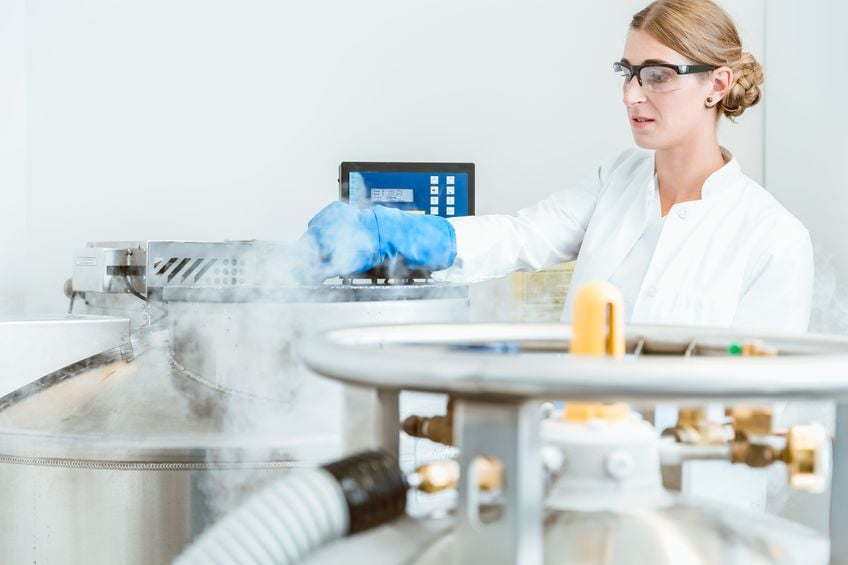
Fertility preservation via cryopreservation was once a rare option available to specific people with access to these resources. Now, this option is a widely accessible, accepted, and mainstream form of fertility management. Now, people use fertility preservation to navigate career, personal, or medical circumstances. Fertility clinics use cryopreservation, a process of freezing reproductive material like eggs or sperm for future use. Women or couples who are concerned about fertility and want to achieve preservation have more options available. Learning these options helps individuals or couples have more control over family planning.
What are my options?
Women or couples should consult a fertility clinic to discuss fertility concerns and explore preservation options. Cryopreservation is versatile and can help single women or couples. Egg freezing, for instance, is the most popular use of cryopreservation. Multiple eggs are developed using hormone medication in a process called ovulation induction. The eggs are then retrieved and preserved for future use. Embryo freezing follows a similar process but freezes fertilized eggs. This option is common for women or couples undergoing in vitro fertilization (IVF) who need to store embryos for later. Sperm freezing is a similar option for men, helping to store healthy sperm for IVF or intracytoplasmic sperm injection (ICSI) to achieve pregnancy.
The reasons matter
As fertility preservation has become accessible, so have the many reasons for using the technique. The individual and circumstances dictate how cryopreservation can be used. For instance, women and men who want to delay pregnancy due to health reasons can preserve eggs or sperm. Medical procedures that affect reproductive organs can proceed, and IVF can be attempted after recovery. More women are delaying pregnancy with cryopreservation to pursue professional careers or until the right partner comes along. Some couples who have successfully attempted IVF before may have embryos available. Freezing these embryos allows for future pregnancies or donation. Now, there is ovarian and testicular tissue freezing, an innovative way to preserve fertility in severe infertility circumstances.
Who should consider cryopreservation?
Anyone who feels that future fertility is at risk should consider all preservation options. Cancer patients are an excellent example, as studies show treatment can damage reproductive organs and cause infertility. Women who are unsure about achieving pregnancy naturally due to being single or pursuing careers should consider cryopreservation. As the ovarian reserve declines significantly with age, keeping younger, healthier eggs can improve pregnancy rates. Some same-sex couples are using fertility preservation options for family planning. Using donor eggs or sperm with surrogacy can help couples start or grow a family. Transgender individuals beginning gender-affirming hormone therapy that may affect fertility also frequently consider preservation. A fertility clinic will explore the patient’s unique circumstances
Making a decision that fits your life
Fertility preservation is an effective way to achieve pregnancy or family planning goals despite the unique challenges of life. From navigating health challenges to delaying pregnancy for career goals, the reasons are varied. For each person and circumstance, a fertility clinic can recommend the ideal cryopreservation process. When the individual or couple is ready, reproductive material can be safely thawed for IVF or other fertility procedures. Success rates vary by age and by egg or sperm quality. At the same time, chances of pregnancy are higher if cryopreservation was not done. Work with the fertility team to help achieve a beautiful future family.