
Should Cancer Patients Preserve Fertility?
A diagnosis of cancer often introduces concerns about future childbearing. Treatments such as chemotherapy and radiation can damage reproductive cells and organs and significantly delay family building. Oncofertility is a field that connects oncology and reproductive medicine to address these risks and make a fertility plan before treatment begins. Cryopreservation allows for the storage of eggs, sperm, or embryos for later use. Early consultation with a fertility specialist expands available options and supports informed decision-making.
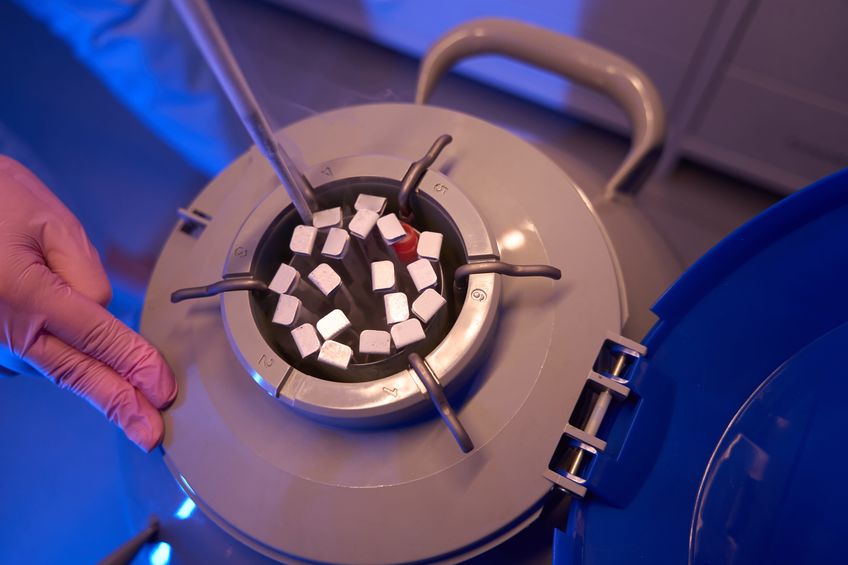
Cryopreservation basics
A cancer diagnosis often brings added concerns about future fertility, leading many individuals to consider cryopreservation. Advanced freezing techniques allow eggs, sperm, and embryos to be stored for later use. Carefully controlled laboratory processes help maintain cellular integrity during freezing and thawing. Preserved material can remain viable for many years, offering greater flexibility in family planning. This approach helps reduce pressure around timing, allowing full focus on treatment and recovery. Improvements in vitrification have significantly increased survival rates of frozen specimens. When ready, many individuals achieve strong pregnancy outcomes using cryopreserved material after cancer treatment is complete.
Timing and coordination
Fertility preservation requires careful alignment with cancer treatment schedules. Many protocols can be completed within 10-14 days, minimizing any delays in oncology care. Hormonal stimulation may be used to retrieve multiple eggs in a single cycle, increasing future chances of pregnancy success. Alternative approaches exist for patients who cannot undergo standard stimulation. Although managing a cancer diagnosis and future family planning in a short window can be stressful, close communication between care teams ensures that fertility can be preserved without significantly delaying the start of treatment.
Options exist
Cryopreservation offers different fertility preservation options based on age, diagnosis, and treatment plan. Egg freezing is often a preferred choice for individuals without a partner, women who prefer independent preservation, and younger cancer patients. Embryo freezing may provide higher future pregnancy success rates when sperm is available at the time of freezing. Sperm banking remains a simple and effective method for male cancer patients. Experimental options, such as freezing of ovarian or testicular tissue, may be considered in select cases.
Baby after cancer
The use of frozen eggs, sperm, or embryos can occur months or years after cancer treatment completion. Success rates depend on age at the time of preservation and overall reproductive health. Many patients achieve healthy pregnancies using cryopreserved material. Ongoing follow-up with oncology and fertility specialists supports safe family planning. Emotional and psychological support also plays an important role throughout the process.
A pathway to future family building
Fertility preservation offers a meaningful pathway toward parenthood after cancer treatment. Early action expands available choices for patients and improves outcomes. Collaboration across medical specialties ensures comprehensive and patient-centered care. Advances in cryopreservation continue to enhance success rates and accessibility. With thoughtful planning, individuals can move forward with both treatment and long-term family goals in mind.