
Need Some Fertility Support?
Optimal reproductive health is vital for women hoping to start or grow a family. The challenge begins when getting pregnant seems impossible. Infertility impacts 1 in 10 women of reproductive age. While younger women have the highest chances of success, each case is different. Medical conditions, lifestyle, and personal goals all influence reproductive health. Above all, age is a major factor, with women having limited follicles that decline yearly. Women as early as age 30 have to weigh all fertility options, especially when getting pregnant naturally is difficult. Thanks to modern science, fertility support is readily available. Now, hundreds of thousands of women get fertility treatment at almost any stage of life.
Why fertility changes with time
Female fertility is influenced by multiple factors that become more critical for successful pregnancy over time. At the center of a woman’s fertility is an ovarian reserve with a set number of high-quality follicles that turn into eggs. Every month, when pregnancy does not occur, these eggs are lost through menstruation. What remains can also decline in quality with age, making natural pregnancies more difficult. Besides age, there are also additional factors that further influence pregnancy. Lifestyle habits, health conditions, and even genetics can lead to infertility. Women with polycystic ovary syndrome (PCOS), endometriosis, fibroids, and certain hormonal disorders struggle to conceive. Then there are women today choosing to delay pregnancy due to work or relationships. Each factor can determine if fertility support is needed.
Get evaluated early
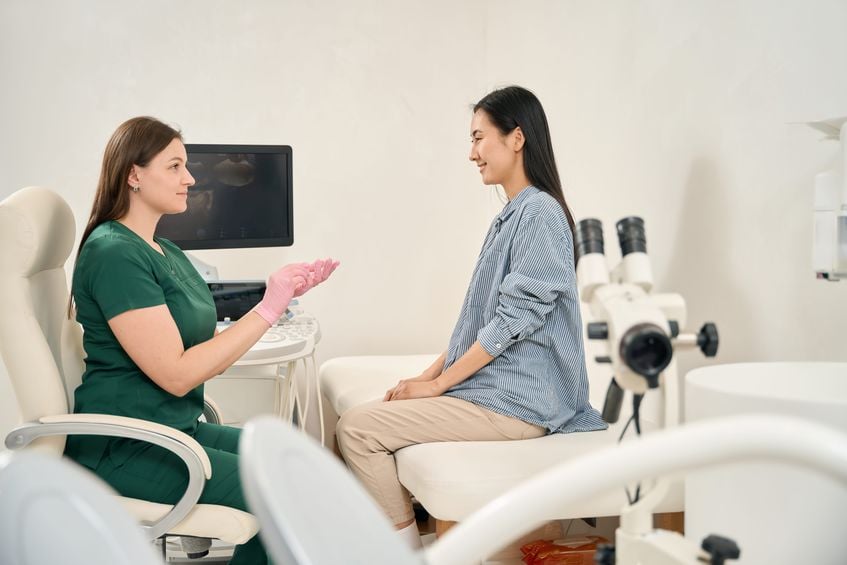
Exploring fertility options becomes more practical after a comprehensive fertility evaluation. Women age 30 and up should typically consider fertility evaluation or preservation depending on personal goals and medical circumstances. Even young women should consider a fertility check, which can reveal options now and later in life. Fertility checks encompass hormone tests and blood tests, along with an evaluation of a woman’s ovarian reserve. These tests can give a strong indicator of a woman’s ability to conceive. Additional tests, such as ultrasounds, can reveal underlying issues affecting reproductive function. These tests can reveal if simple lifestyle changes, resolving an underlying issue, or fertility treatment is enough to support pregnancy.
Fertility at every stage
As women age, especially those from age 35, getting pregnant naturally can be especially difficult. Thanks to fertility treatments and assisted reproductive technology (ART), there is hope. Younger women 30 and below can benefit from fertility medication to increase the chances of pregnancy. Intrauterine insemination (IUI) can also be combined with hormone medication to increase pregnancy rates. In vitro fertilization (IVF) is the most popular and effective form of ART. By combining sperm samples with eggs harvested through ovulation induction, fertility clinics can create multiple embryos. The best, healthiest embryo is then surgically transplanted into the uterus to kickstart pregnancy. Sometimes, reproductive treatment means treating underlying issues like PCOS or endometriosis to increase success rates. Even with IVF, some women still experience challenges conceiving. Donor egg IVF becomes a viable option, especially for older women.
Preserving future fertility
Some women are simply not ready to have children but want to preserve reproductive options for the future. This demand has led to a rise in oocyte cryopreservation. For women, this process allows healthy, mature eggs to be frozen for use later. Remember, egg quality and quantity decline with age. Freezing younger, healthier eggs presses pause on peak reproductive years. At a later time, in vitro fertilization (IVF) can be used to stimulate pregnancy. Besides personal or career choices, some women use cryopreservation for medical reasons, especially those that impact ovarian function. At age 30, cryopreserved eggs can be used a few years later.
Planning at every stage
Fertility planning can look different in the 20s, 30s, and 40s. Younger women have many more options, including hormone medication or delaying pregnancy through cryopreservation. From the late 30s onward, natural pregnancy becomes more challenging. Exploring all fertility options to start a family becomes a priority. From IUI to IVF, there are different options to improve pregnancy rates. Treatments are customized based on the patient’s long-term goals, relationships, and pre-existing health. Even older women can get support through donors or surrogacy.